















MEDICAVET
Veterinary Library
Educational reference on diseases, drug mechanisms and physiology in poultry, cattle and aquaculture, written for veterinarians and students.
Educational only; not a diagnosis, treatment or dosage recommendation.
No article matches this filter.
Mechanisms of Action
How antibiotics work: five targets, five classes
Antibiotics attack structures that bacteria have and the host animal does not. This article covers the five main targets (cell wall, protein synthesis, nucleic acids, the folate pathway and the cell membrane) and the antibiotic classes that hit each one.
Read more
What is antimicrobial resistance (AMR)?
Antimicrobial resistance is the ability of bacteria to survive drugs that once worked against them. This article explains how resistance arises, how it spreads between bacteria, and why prudent use in animal health is everyone's responsibility.
Read more
The ABC of pharmacokinetics: absorption, distribution, metabolism, excretion
What happens to a medicine after it enters the body falls into four stages: absorption, distribution, metabolism and excretion. This article explains ADME and why the withdrawal period follows directly from it.
Read more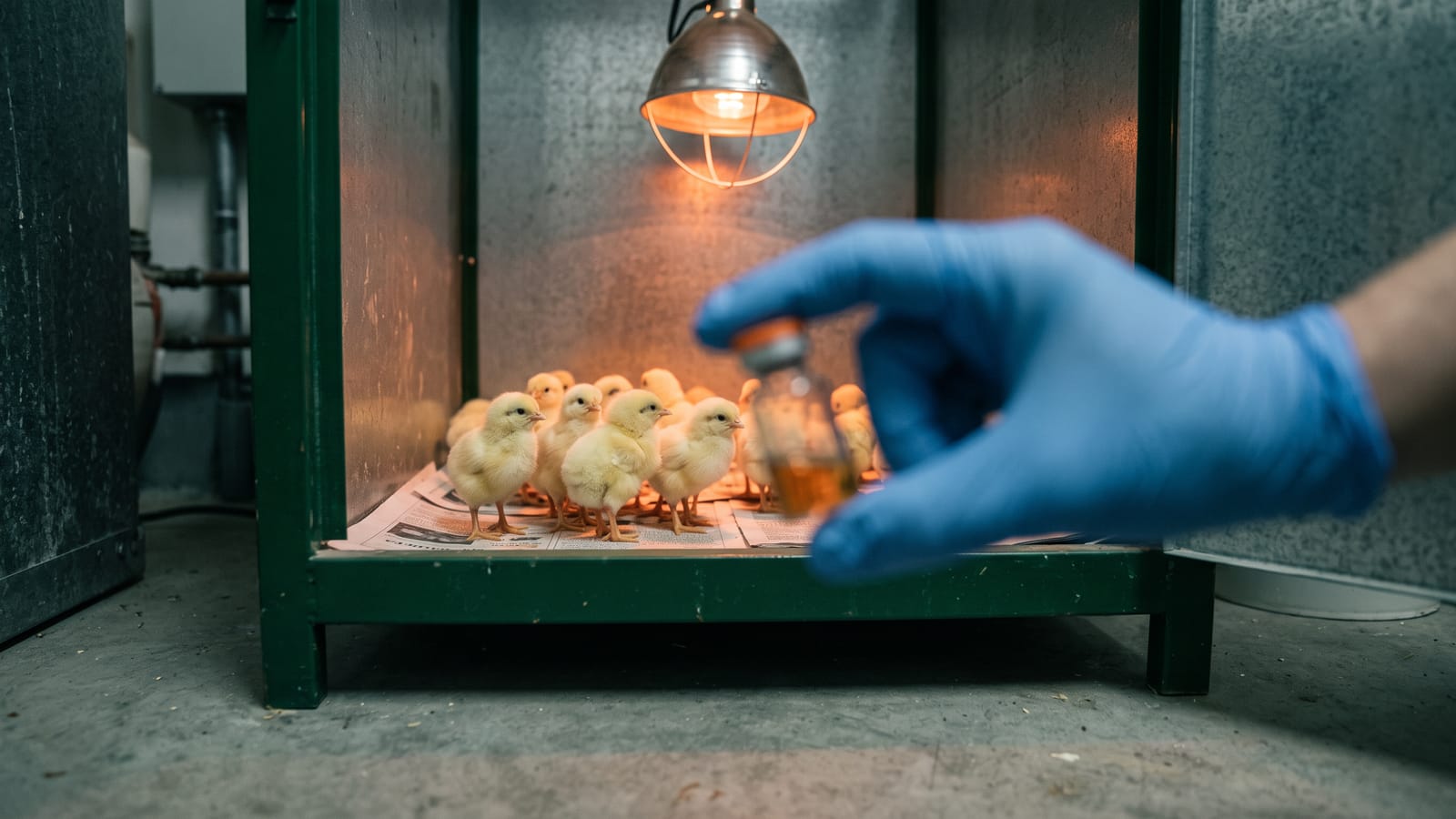
How vaccines work: the basics of poultry immunity
Vaccines introduce a target to the immune system without causing disease. This article covers active and passive immunity, the maternal antibody window, and why timing is so critical in poultry vaccination.
Read moreDiseases
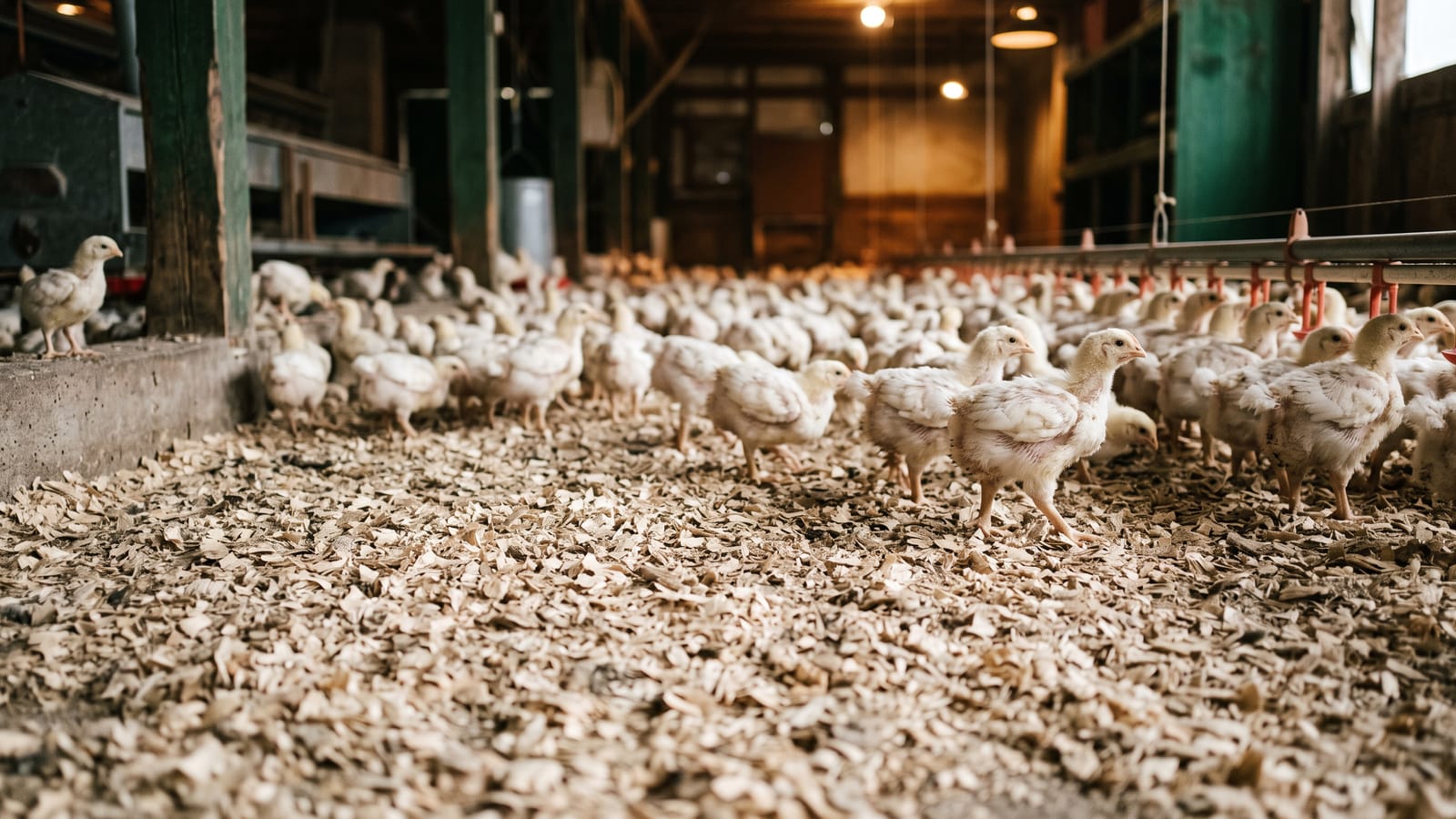
Coccidiosis in poultry: life cycle and where it sits in the gut
Coccidiosis is an intestinal disease caused by Eimeria species. This article covers the parasite's life cycle, which species occupies which part of the gut, and the principles that control it in the field.
Read more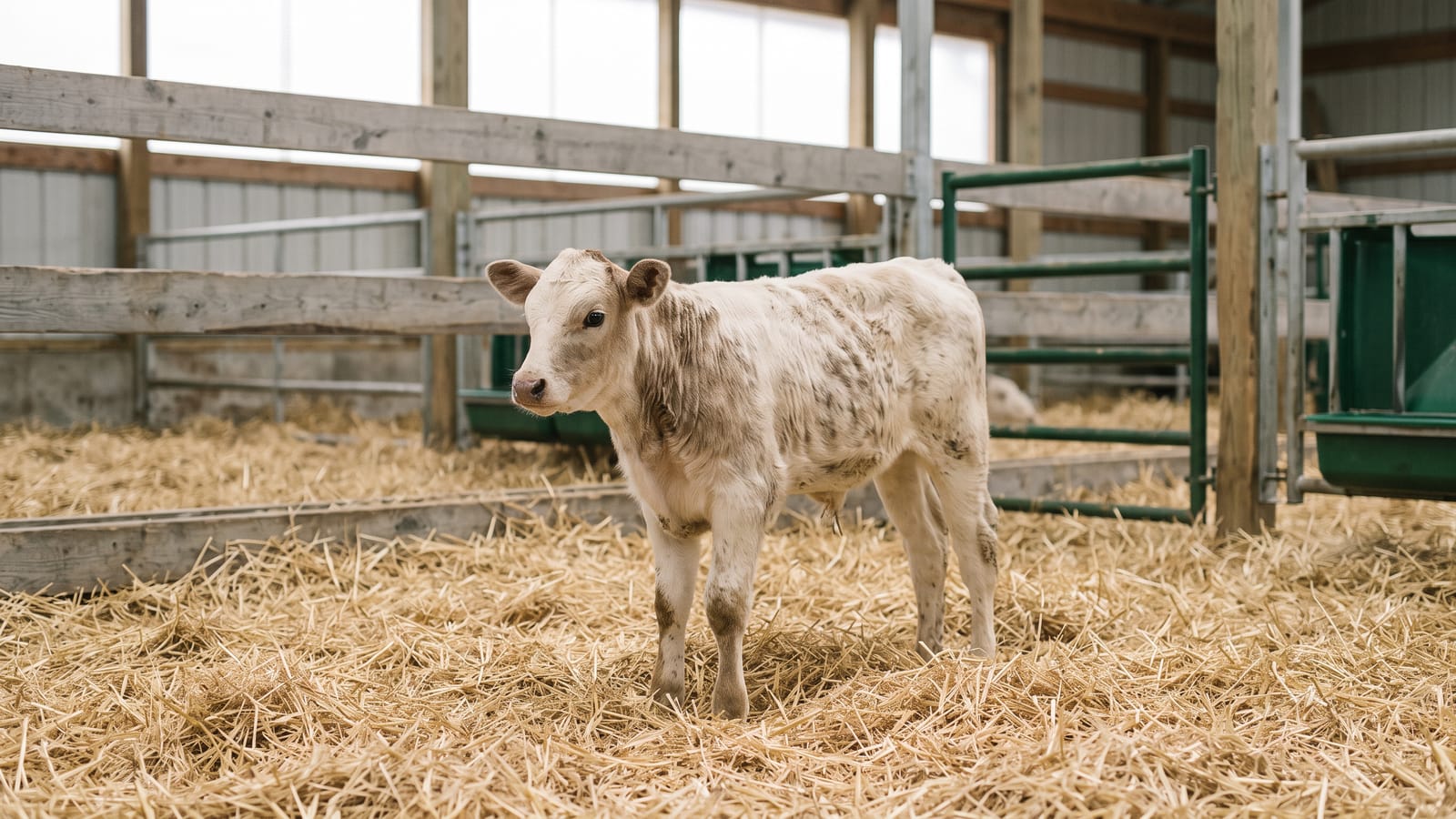
Calf scours: differentiating by age and preventing it
The main causes of neonatal calf diarrhoea each tend to appear at a characteristic age. This article sets out the agents by age of onset, why fluid loss is the real danger, and the central role of colostrum management.
Read more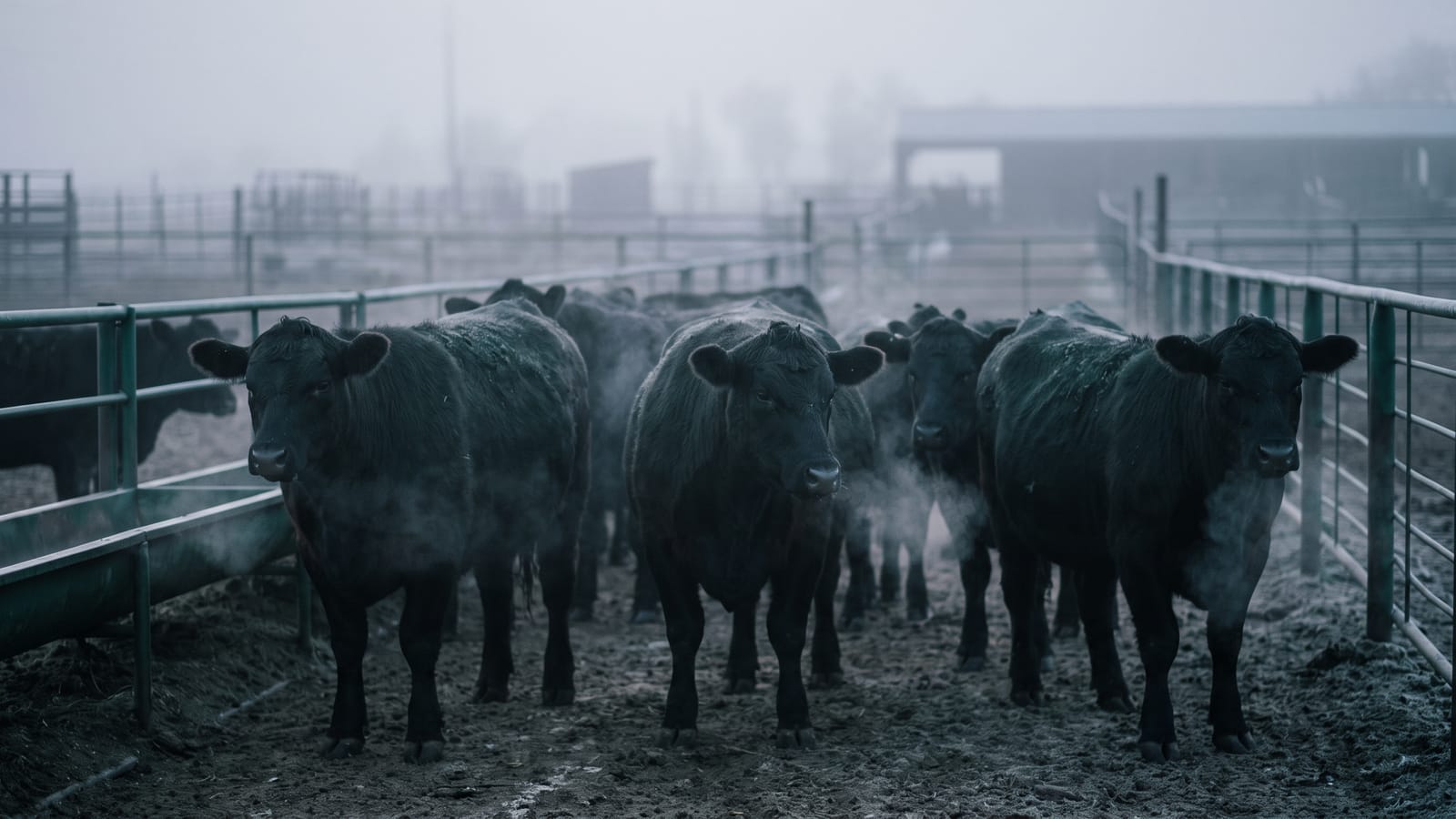
Bovine respiratory disease (BRD)
BRD is not one pathogen's disease but a picture created by stress, viruses and bacteria acting together. This article explains that three-way interaction, why risk concentrates around weaning and transport, and how to spot cases early.
Read more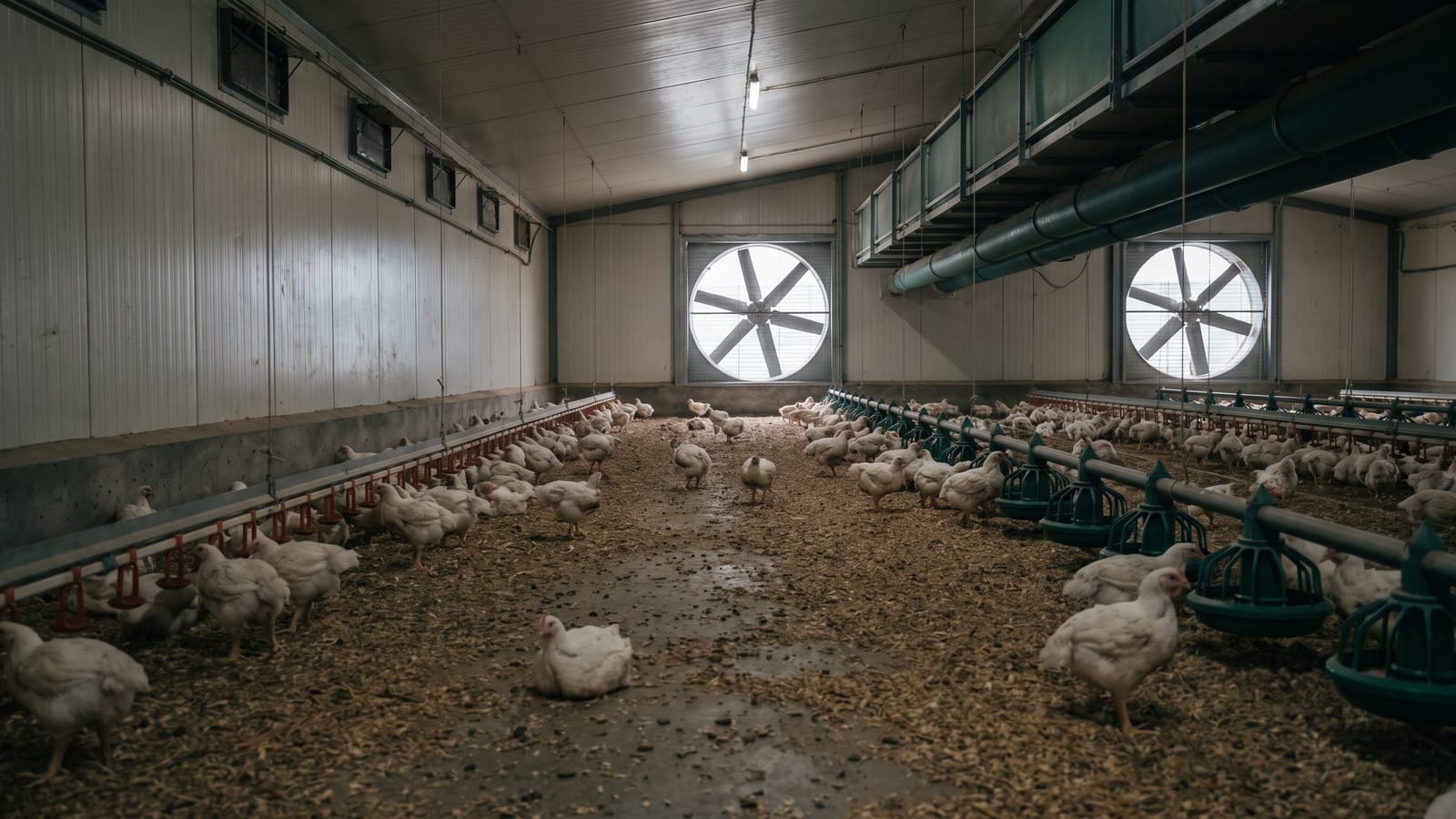
Respiratory disease in poultry: a differential table
Respiratory signs in poultry can come from many different agents. CRD (Mycoplasma), IB, ILT and ND are compared here by speed of spread, flock distribution and the character of the lesions.
Read more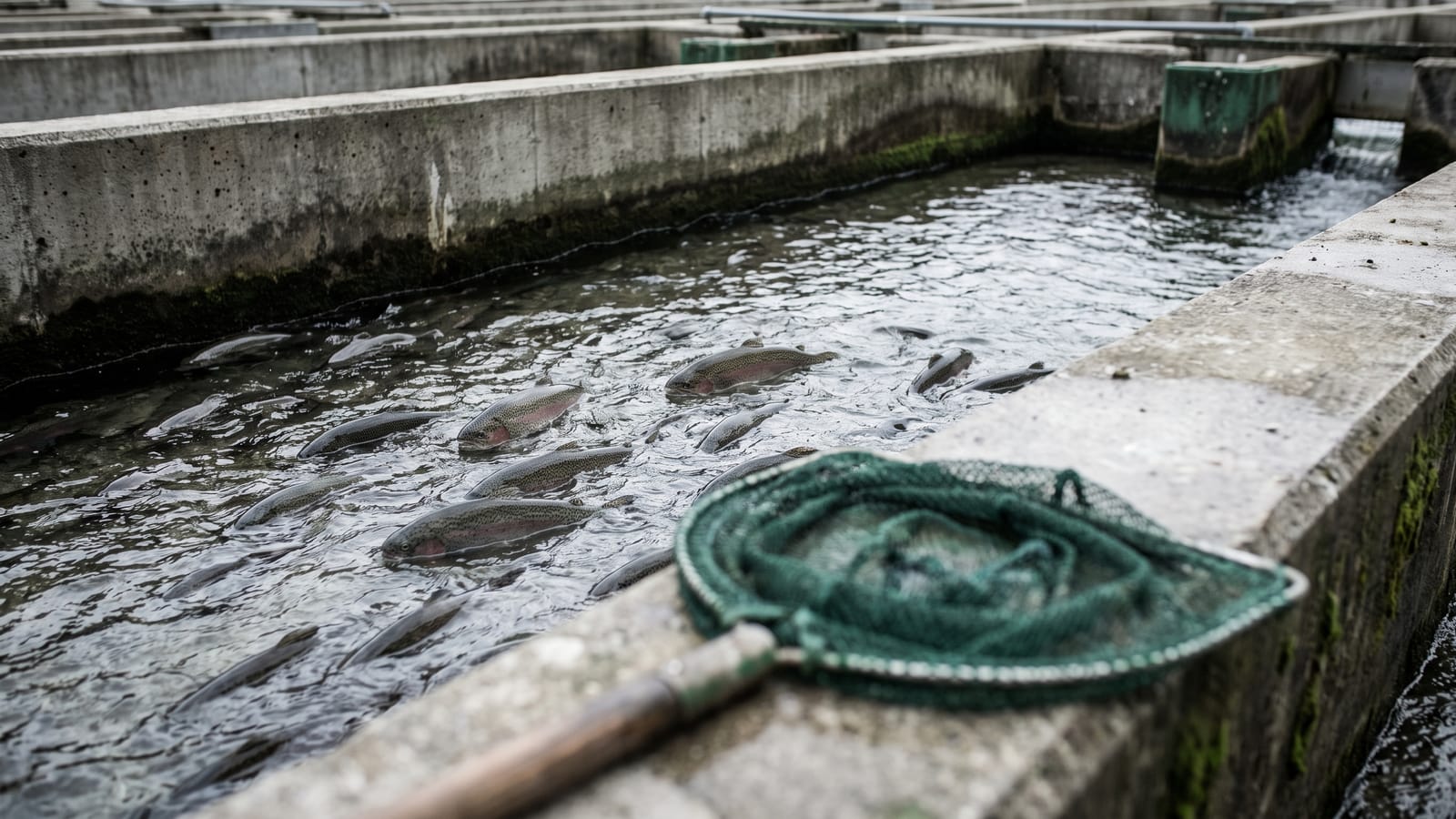
Bacterial diseases of coldwater fish
The bacterial agents seen most often in trout and carp farming are Aeromonas, Yersinia and Flavobacterium. This article covers them, their relationship with water temperature, and why stress is the deciding factor.
Read moreHusbandry & Biosecurity

The basics of biosecurity in poultry and livestock housing
Biosecurity is the set of measures that keep pathogens out of a site and stop them spreading once inside. This article covers zoning, traffic flow, downtime and personnel discipline.
Read more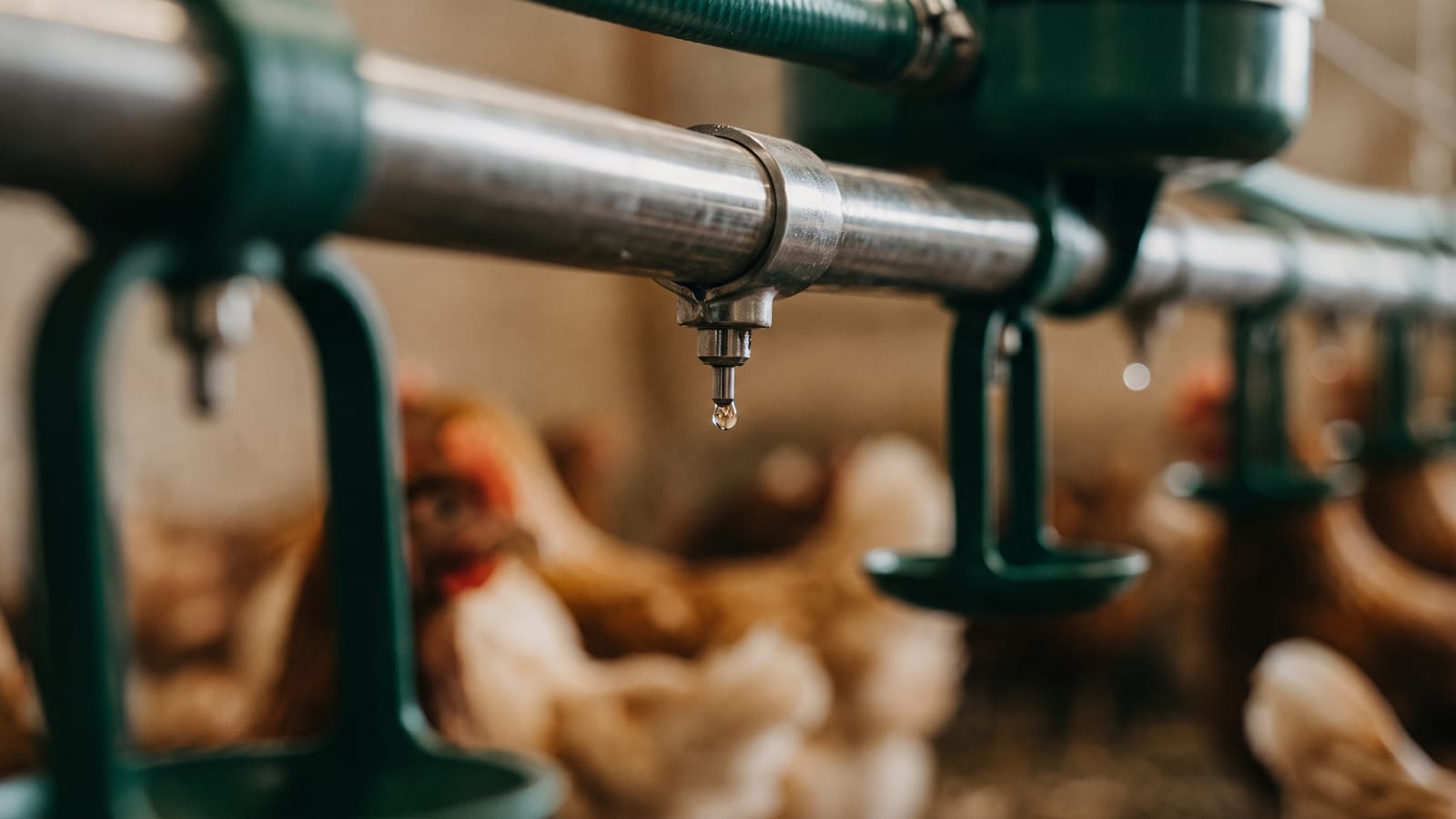
Drinking water line hygiene and biofilm
Biofilm inside the drinker line harbours bacteria and undermines vaccines and products given in water. This article explains how biofilm forms and why line cleaning has to be a scheduled job.
Read morePartner with Medicavet
Science and trust, ready for your operation.
GMP-certified veterinary medicines with technical support in 40+ markets, from poultry to aquaculture.